
Hemp Wholesaler: Complete Guide to Starting and Operating a Legal Hemp Distribution Business
Key Takeaways
-
Hemp wholesalers buy hemp products in bulk from licensed growers and manufacturers to resell to retailers, processors, or other businesses
-
Federal compliance requires hemp products to contain less than 0.3% THC and adherence to 2018 Farm Bill regulations
-
State licensing requirements vary significantly, with some states requiring specific hemp handler or distributor licenses
-
Startup costs typically range from $25,000 to $100,000 including licensing fees, inventory, storage facilities, and testing equipment
-
Successful hemp wholesalers must maintain detailed documentation, regular product testing, and strong relationships with both suppliers and customers
The hemp industry has experienced explosive growth since federal legalization in 2018, creating lucrative opportunities for savvy entrepreneurs. Hemp wholesaling represents one of the most promising entry points into this rapidly expanding market, but success requires navigating complex regulations, obtaining proper permits, and understanding the intricate supply chain from farm to retail.
Operating as a hemp wholesaler involves more than simply buying and selling products. You’ll need to register your business, obtain the necessary wholesale license, collect sales tax where required, and maintain compliance with both federal and state regulations. This comprehensive guide will walk you through everything you need to know to start and operate a legal hemp distribution business.
What is Hemp Wholesaling?
A hemp wholesaler serves as a crucial intermediary in the hemp supply chain, purchasing products in bulk from licensed growers and manufacturers to resell to retailers, processors, or other businesses at wholesale prices. Unlike retail operations that sell directly to consumers, wholesalers focus on business-to-business transactions, operating at scale to benefit from economies of bulk purchasing.
Hemp wholesalers handle various product categories including raw hemp flower, CBD isolates, hemp biomass, hemp seeds, finished hemp products, and raw materials for manufacturing. The wholesale model allows businesses to purchase inventory at lower per-unit costs while providing retailers access to diverse product lines without maintaining relationships with multiple suppliers.
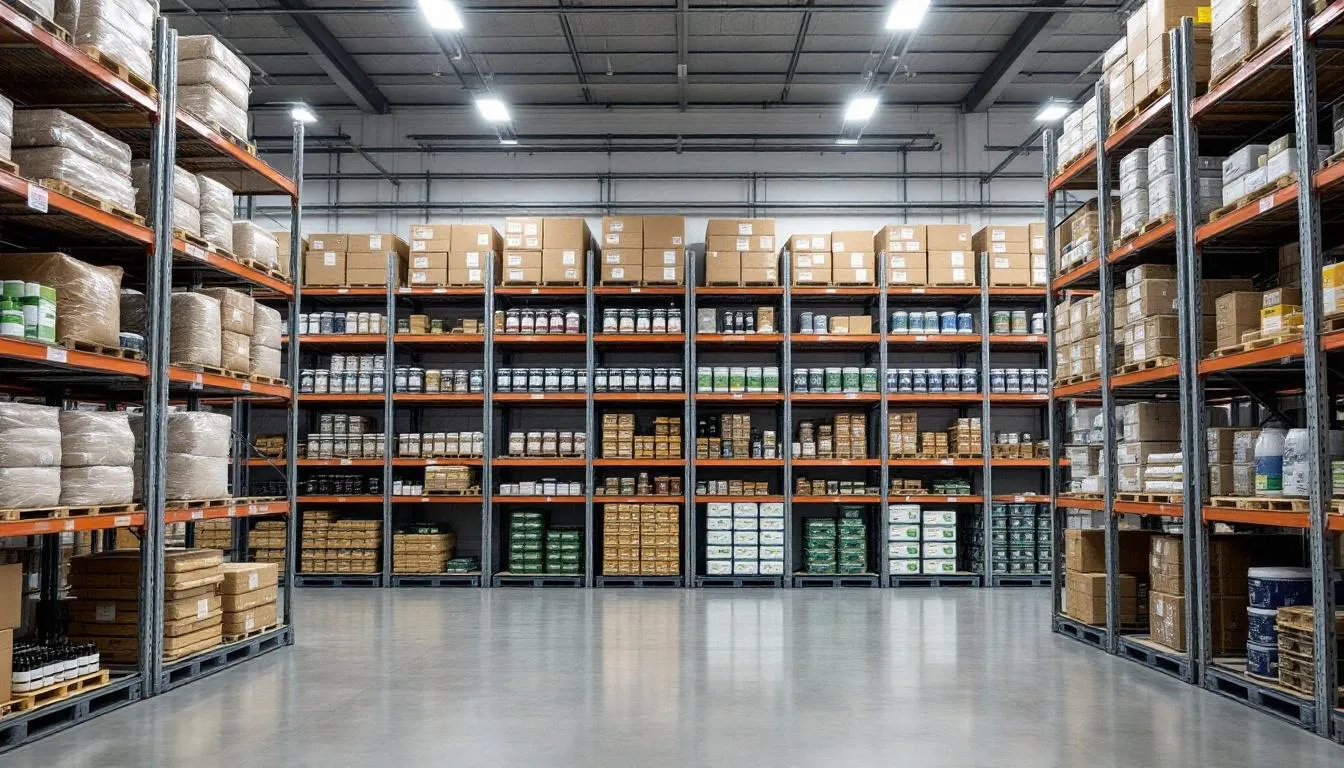
The hemp supply chain typically flows from licensed hemp farmers to processors or manufacturers, then to wholesalers who distribute products to dispensaries, health stores, online retailers, and other businesses. This distribution network has become increasingly sophisticated since the 2018 Farm Bill legalized hemp cultivation and commerce nationwide.
Market data shows remarkable growth potential, with the hemp industry expanding from $4.6 billion in 2019 to a projected $26.6 billion by 2025. This growth trajectory creates substantial opportunities for hemp wholesalers who can establish reliable supplier relationships and maintain regulatory compliance.
Hemp wholesaling differs significantly from alcoholic beverages distribution or other regulated industries, as each state maintains unique licensing requirements and business activity restrictions. For example, wholesale licenses for alcohol often involve higher fees and stricter regulatory requirements compared to hemp, and both industries require careful attention to local regulations before operating. Understanding these nuances is essential for anyone looking to operate across multiple jurisdictions.
Federal Legal Requirements for Hemp Wholesalers
The foundation of legal hemp wholesaling rests on the 2018 Farm Bill, which removed hemp from the Controlled Substances Act and established federal guidelines for hemp production and commerce. This legislation defines hemp as cannabis containing less than 0.3% delta-9 THC on a dry-weight basis, creating the legal framework that enables wholesale operations.
USDA hemp production regulations affect wholesale operations by establishing standards for testing, licensing, and compliance monitoring. While the USDA primarily regulates cultivation, wholesalers must ensure their suppliers operate under approved state or USDA hemp programs. This verification process involves reviewing certificates and documentation from licensed producers.
The FDA maintains authority over hemp-derived products, particularly those intended for human consumption. Wholesalers must understand FDA guidelines regarding product claims, labeling requirements, and prohibited statements about health benefits. The FDA prohibits adding CBD to food products and restricts certain marketing claims, making compliance documentation essential for wholesale operations.
DEA registration requirements apply to hemp handlers in specific situations, particularly when dealing with hemp extracts or products that require further processing. While most hemp wholesalers don’t need DEA registration, businesses handling certain cannabinoid extracts may need to obtain proper permits and follow controlled substance protocols.
Interstate commerce rules allow licensed hemp products to be shipped across state lines, but wholesalers must comply with regulations in both origin and destination states. This requires maintaining detailed transport manifests, proper labeling, and certificates of analysis proving THC compliance for all shipments. Regular audits by tax authorities may be conducted to ensure adherence to federal and state regulations, and maintaining proper documentation helps hemp wholesalers avoid penalties, fines, or license revocation during these audits.
State Licensing and Permit Requirements
State licensing requirements for hemp wholesalers vary dramatically depending on location and business activities. Some states require specific hemp handler licenses, while others operate under general wholesale license frameworks or seller’s permit systems. Understanding these requirements is crucial before beginning the application process.
Applicants are typically required to provide a physical address for official correspondence and business documentation. When completing the application, it is important to provide complete details about ownership, business activities, and location to ensure compliance with state regulations.
Colorado requires hemp wholesalers to obtain a Hemp Handler License through the state Department of Agriculture. The application process involves submitting required documents, paying fees, and undergoing background checks. Licensed handlers must maintain detailed records and submit to regular inspections by state officials.
California operates under a more complex system where hemp wholesalers may need multiple permits depending on their business activities. The state requires businesses to register with the Department of Food and Agriculture and may require additional licenses for specific product categories or manufacturing activities.
Oregon maintains relatively streamlined requirements, where many hemp wholesalers can operate under standard business licenses without specialized hemp permits. However, businesses must still comply with state tracking requirements and maintain proper documentation for all hemp products sold within the state.
Kentucky, as a major hemp producing state, requires hemp processor-handler licenses for businesses purchasing hemp from farmers or selling to other businesses. The application process typically takes 30-60 days, with annual renewal requirements and fees ranging from $500 to $2,500 depending on business size and activities. It is important to renew the license on time each year to maintain legal status.
Tennessee has established specific licensing categories for hemp businesses, including processor and distributor licenses that vary depending on the volume and type of business activities. Applicants must submit detailed business plans and undergo approval processes that can take 60-90 days to complete.
The application process generally requires submitting a wholesale license application along with supporting documentation. The following documents are usually required: business registration, financial statements, facility information, and background checks for key personnel. Information about each responsible person involved in the business must be provided. Most states require annual license renewal, with fees ranging from $500 to $5,000 per year depending on the jurisdiction and business scale. Applicants must pay the required licensing fees during the application or renewal process.
Multi-state operations present additional complexity, as each state requires separate licenses and compliance with local regulations. Wholesalers operating across state lines must maintain current licenses in each jurisdiction and stay informed about changing regulations that could affect their business activities. In addition, compliance with state tax rules may require obtaining a resale permit, which allows businesses to purchase inventory tax-free for resale to customers.
Documentation and Record-Keeping Requirements
Proper documentation forms the backbone of compliant hemp wholesale operations. Every hemp product must be accompanied by a Certificate of Analysis (COA) from an accredited laboratory, showing THC levels, cannabinoid profiles, and testing for contaminants including pesticides, heavy metals, and residual solvents.
Chain of custody documentation tracks products from farm to final sale, creating an auditable trail that satisfies regulatory requirements. This documentation includes purchase orders, invoices, transport manifests, and inventory records that demonstrate legal sourcing and distribution of all hemp products.
Inventory tracking systems must meet state seed-to-sale requirements where applicable, providing real-time visibility into product movement, storage, and sales. Many states require electronic tracking through approved systems that integrate with state databases, making accurate record-keeping essential for compliance.
Financial records and tax documentation must be maintained according to both state and federal requirements. Hemp wholesalers need proper accounting systems to track revenue, expenses, and sales tax obligations. The IRS subjects hemp businesses to standard business tax rules, but proper documentation is essential for supporting deductions and demonstrating compliance. In addition, proof of business insurance may be required as part of compliance documentation for licensing or regulatory purposes.
Transport manifests and shipping documentation become critical when moving hemp products across state lines. These documents must include product descriptions, quantities, destination information, and copies of relevant certificates proving legal compliance in both origin and destination states.
Registering Your Business
Registering your business is the first official step toward obtaining a wholesale license and operating legally in the hemp industry. The process begins with selecting the right business structure—whether you choose a sole proprietorship, partnership, LLC, or corporation, your decision will impact your tax obligations, liability, and ability to qualify for a wholesale license. Many hemp wholesalers opt for an LLC or corporation to benefit from liability protection and to present a more credible profile to suppliers, customers, and regulatory agencies.
The specific rules and requirements for business registration vary depending on your state and local jurisdiction. It’s essential to review the regulations in your location, as some states have unique processes or additional documentation requirements for businesses involved in hemp distribution. Start by choosing a business name that complies with state guidelines, then file the necessary formation documents with your state’s secretary of state or business registration department.
Once your business entity is established, you’ll need to obtain a Federal Employer Identification Number (EIN) from the IRS, which is required for tax purposes and is often a prerequisite for applying for a wholesale license. Some states may also require you to register with the city or county where your business will operate, especially if you plan to maintain a physical location.
Completing the registration process ensures your business is recognized as a legal entity, which is a critical requirement for submitting a wholesale license application. Proper registration also streamlines the approval process for other permits and licenses you may need as your business grows. Always review your state’s specific business registration rules and consult with legal or business professionals if you have questions about the process or required documents. By taking these steps, you’ll lay a solid foundation for your hemp wholesale business and ensure you’re prepared to meet all licensing and compliance requirements.
Starting Your Hemp Wholesale Business
Launching a successful hemp wholesale operation requires careful planning and attention to legal requirements. The first step involves choosing an appropriate business structure, with most hemp wholesalers selecting LLC or corporation formations for liability protection and tax advantages. Corporations that have an equity interest in the business may need to be identified as responsible parties on commercial activity license applications.

Obtaining a Federal Employer Identification Number (EIN) is essential for tax purposes and banking relationships. Hemp businesses often face banking challenges, making proper business registration and documentation crucial for establishing financial services relationships.
Securing comprehensive business insurance protects against product liability, property damage, and other risks inherent in wholesale operations. Insurance costs typically range from $3,000 to $15,000 annually, depending on business size, product types, and coverage levels. Many insurers require specific policy language addressing hemp-related risks.
Finding suitable warehouse or distribution facility locations requires considering factors including zoning restrictions, security requirements, and proximity to transportation networks. Facility costs range from $5,000 to $20,000 monthly for warehouse space suitable for hemp wholesale operations, with additional expenses for security systems, climate control, and compliance infrastructure.
The registration process involves filing appropriate business formation documents with the secretary of state, obtaining local business permits, and completing any required licensing applications. This step-by-step guide helps ensure all legal requirements are met before beginning operations.
Finding Reliable Hemp Suppliers
Building relationships with reliable suppliers forms the foundation of successful hemp wholesale operations. Vetting potential suppliers involves verifying their licenses, reviewing their compliance history, and evaluating product quality and consistency. Working with licensed hemp growers and manufacturers ensures legal sourcing and reduces compliance risks.
Negotiating wholesale pricing and minimum order quantities requires understanding market dynamics and supplier capabilities. Successful hemp wholesalers develop long-term relationships with suppliers who can provide consistent quality, competitive pricing, and reliable delivery schedules.
Establishing supplier agreements should include quality guarantees, COA requirements, and clear terms for handling product defects or compliance issues. These contracts protect both parties and ensure consistent product standards that meet customer expectations.
Hemp trade shows provide excellent opportunities for networking and supplier identification. Events like Hemp Industries Association conferences and MJ BizCon connect wholesalers with growers, manufacturers, and other industry participants, facilitating relationship building and market intelligence gathering.
Regional supplier networks have developed in key hemp states including Colorado, Kentucky, Oregon, and North Carolina. These established growing regions offer advantages including experienced farmers, processing infrastructure, and supportive regulatory environments that benefit wholesale operations.
Building a Customer Base
Identifying target customers requires understanding the hemp retail landscape and market segments. Primary customers include licensed dispensaries, health food stores, online retailers, and manufacturers who use hemp as raw materials in their production processes.
Developing effective marketing strategies for B2B hemp sales involves understanding customer needs, competitive positioning, and value propositions. Successful wholesalers focus on reliability, compliance, and customer service rather than just price competition.
Creating wholesale pricing structures requires balancing profitability with competitive positioning. Volume discounts encourage larger orders while maintaining healthy margins, and clear pricing tiers help customers understand the value of increased purchase volumes.
Establishing payment terms and credit requirements protects cash flow while facilitating customer relationships. Many hemp wholesalers require net 30 payment terms with credit checks for new customers, balancing growth opportunities with financial risk management.
Building online wholesale platforms and sales channels provides customers with convenient ordering systems while reducing administrative overhead. Many successful wholesalers invest in e-commerce platforms specifically designed for B2B sales, including features like custom pricing, order history, and automated reordering capabilities.
Operational Considerations for Hemp Wholesalers
Daily operations in hemp wholesaling require attention to quality control, compliance monitoring, and customer service. Establishing standard operating procedures ensures consistent service delivery and regulatory compliance across all business activities.
Quality control procedures for incoming hemp shipments include visual inspection, documentation review, and verification of COAs. Rejecting substandard products protects your reputation and prevents compliance issues that could affect your wholesale license or customer relationships.
Proper storage conditions maintain product quality and potency while preventing contamination or degradation. Hemp products require controlled temperature and humidity environments, along with protection from light and air exposure that could affect cannabinoid content.
Staff training on hemp regulations and handling procedures ensures consistent compliance and professional customer service. Regular training updates keep employees informed about changing regulations and industry best practices that affect daily operations.
Technology systems for inventory management and compliance tracking provide real-time visibility into stock levels, product movement, and regulatory reporting requirements. Many wholesalers invest in specialized software that integrates inventory management with compliance reporting and financial tracking.
If you have questions about compliance or licensing, businesses can seek assistance from city or state services for further support.
Quality Control and Testing Protocols
Third-party laboratory testing requirements ensure all hemp products meet safety and potency standards. Wholesalers typically require suppliers to provide fresh COAs with each batch, but many also conduct additional testing to verify quality and compliance.
Batch testing protocols involve sampling procedures that represent entire product lots, ensuring accurate testing results that reflect the quality of all products in a shipment. Proper sampling techniques and chain of custody procedures protect the integrity of testing results.
Handling procedures for products that fail testing or exceed THC limits require clear protocols for quarantine, notification, and disposal. Failed products cannot be sold and must be properly disposed of according to state regulations, making clear procedures essential for compl

Storage conditions to prevent degradation include controlling temperature, humidity, and light exposure that could affect product quality. Many hemp products require specific storage environments to maintain potency and prevent contamination or spoilage.
Regular facility inspections and cleaning procedures maintain product safety and regulatory compliance. Documentation of cleaning schedules, pest control measures, and facility maintenance demonstrates commitment to quality standards during regulatory inspections.